Cooling Systems That Prevent Heat Damage
Radiator Repair in Bossier City for vehicles overheating in traffic, showing coolant leaks, or running hotter than normal
A temperature gauge climbing into the red zone, coolant pooling under the vehicle after it's parked, or steam from under the hood all indicate cooling system failure that needs immediate attention. The radiator dissipates heat from the engine by passing coolant through thin tubes surrounded by airflow, and when those tubes corrode, the fins clog, or hoses crack, the system loses its ability to regulate temperature. Redemption Auto Repair diagnoses overheating issues and repairs radiators, hoses, and related cooling components in Bossier City, preventing engine damage caused by sustained high temperatures.
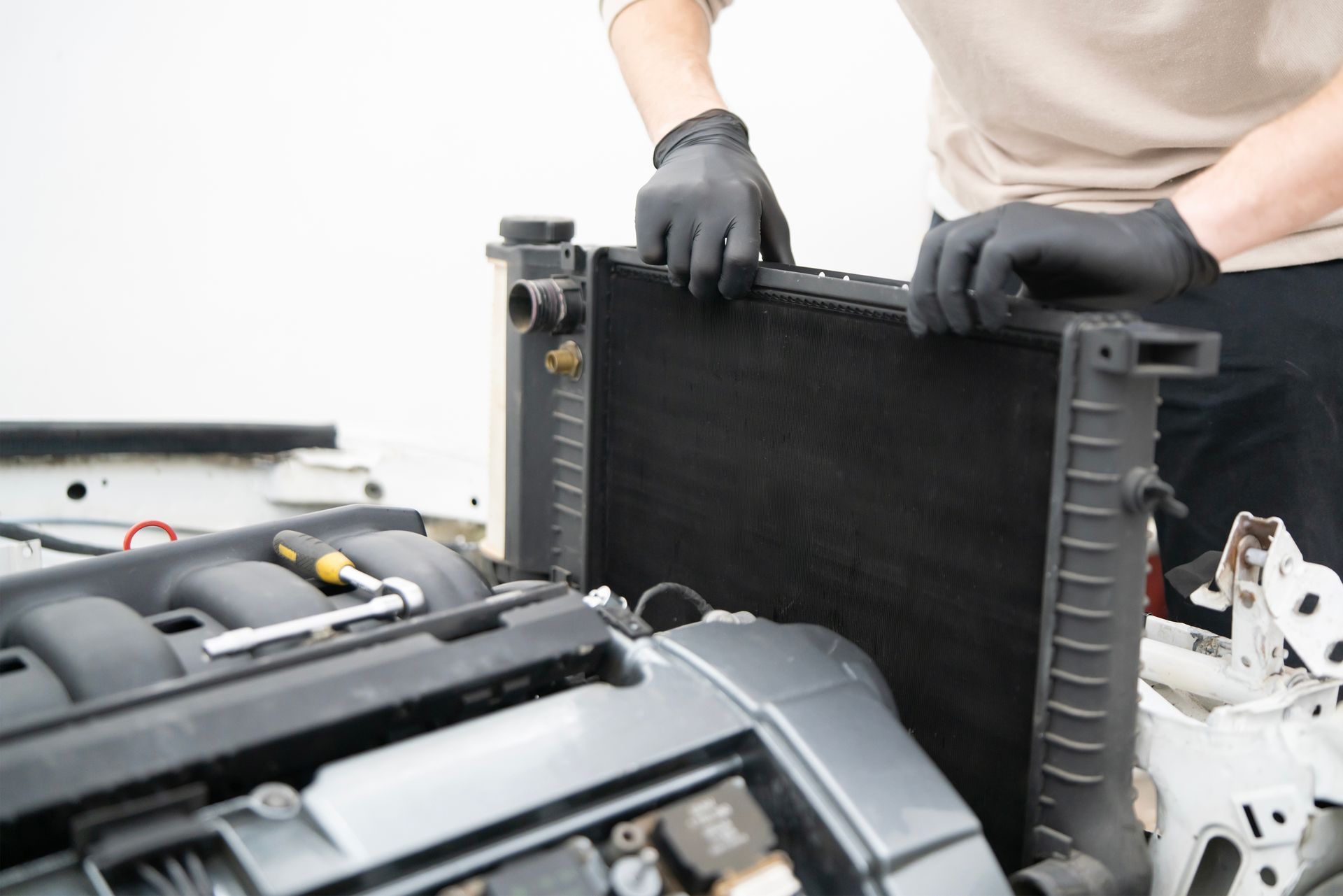
Radiator repair begins with pressure testing the cooling system to locate leaks and checking coolant flow through the radiator core. Overheating can result from a clogged radiator that restricts coolant movement, a failed thermostat that stays closed, a weak water pump that doesn't circulate fluid properly, or external blockage where debris covers the radiator fins and prevents airflow. The testing isolates which component has failed so the repair addresses the actual cause rather than just adding coolant to a leaking system.
Arrange a cooling system inspection at the first sign of overheating or visible coolant loss before engine temperatures reach damaging levels.
What Proper Cooling System Function Looks Like
After radiator repair, the temperature gauge stays in the normal range during both highway driving and stop-and-go traffic, and the engine maintains consistent temperature regardless of outside conditions or load. The cooling fan cycles on and off as needed rather than running constantly, which indicates the system is managing heat efficiently. You won't see coolant stains on the driveway, and the overflow reservoir stays at the correct level between cold and hot marks without needing frequent refills.
Cooling system performance matters for both short trips around Bossier City and long-distance driving, because sustained heat buildup warps cylinder heads, damages head gaskets, and breaks down engine oil. Even brief overheating events—where the gauge spikes and then drops—cause internal stress that shortens engine life, so addressing cooling problems early prevents expensive secondary damage.
Radiator repair also restores cabin heat in winter, because the heater core uses engine coolant to warm the interior. When the cooling system is clogged or low on fluid, heater performance drops along with engine cooling capacity, leaving the cabin cold even though the engine is running.
Answers to Cooling System Questions
Vehicle owners typically ask about overheating when it happens suddenly or when they notice coolant levels dropping without visible leaks.
What causes overheating in traffic but not on the highway?
Overheating at low speeds usually means the cooling fan isn't running, so the radiator only gets airflow when the vehicle is moving. The fan motor, relay, or temperature sensor may have failed, leaving the system without forced air when the vehicle is stationary.
How does a radiator develop leaks?
Radiators leak when corrosion eats through the thin aluminum or copper tubes that carry coolant, or when impact from road debris punctures the core. Internal corrosion happens when coolant isn't changed regularly and loses its rust inhibitors, while external damage comes from stones kicked up by tires or contact with road obstacles.
Why does coolant disappear without visible leaks under the vehicle?
Coolant can burn off through a leaking head gasket, where it enters the combustion chamber and exits as steam through the exhaust. You might see white smoke from the tailpipe or notice a sweet smell, both of which indicate internal coolant loss rather than an external leak.
When should you replace a radiator instead of repairing it in Bossier City?
Replacement makes sense when the core is extensively corroded, when multiple leaks are present, or when the fins are damaged enough that airflow is permanently restricted. Single leaks in accessible areas can often be repaired, but widespread deterioration means the radiator is near the end of its service life.
What happens if you keep driving with a small coolant leak?
Continued driving with low coolant causes localized hot spots in the engine where coolant isn't circulating, which leads to warped heads, blown gaskets, or cracked blocks. Small leaks become large failures quickly once the coolant level drops below the point where the water pump can circulate fluid effectively.
Redemption Auto Repair uses pressure testing and thermal analysis to locate cooling system failures and determine whether repair or replacement is needed. Contact the shop when your temperature gauge reads higher than normal or when coolant levels drop between fill intervals.
